內容簡介
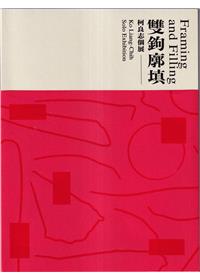
「雙鉤廓填」,取自古代書畫摹本的技法。「雙鉤」,用細勁墨線鉤勒字形輪廓,「廓填」,以墨填充其內。此一技法強調形式上的描繪與內涵上的填實,其本質即是「結構」與「內容」之間的共構關係。藝術家借用這一古典手法,不只是回應書法技藝的歷史脈絡,更透過此術語轉化為一種當代藝術創作的概念模型。這個模型意味著:對於當代社會各種表象的描摹(鉤勒),以及對其內部空洞、荒謬或重複問題的批判與填補(廓填),從而形成具有批判意識的藝術語言。本展旨在思考書法於當代的語彙與形式,探索其在生活脈絡中的流動與再生,並激發觀眾對「書寫」更開放且具想像力的體驗與認知。
This exhibition takes its title from a classical technique found in traditional Chinese painting and calligraphy. “Framing” refers to the outlining of character forms using fine, controlled ink lines, while “Filling” reveals the subsequent process of inking within the contours. This method emphasizes both the construction of external forms and filling of internal content while embodying a co-constructed relationship between structure and meaning. By adapting this historical technique, the artist not only engages with the lineage of calligraphy practice, but also reinterprets the term “Framing” and “Filling” as a conceptual model for contemporary art-making. This model implies a dual approach: the framing of contemporary social appearances, and the critical filling-in of the vacuums, absurdities, or recursive problems within. Through this, the work constructs a language of art grounded in critique and reflection. The exhibition considers the evolving form and meaning of calligraphy in contemporary practice. It investigates how calligraphy circulates and is reactivated within everyday contexts and invites viewers to engage with “writing” as an open-ended and imaginative act.
作者介紹
柯良志(1980- ),生於台中,現任國立臺東大學美術產業學系專任副教授,畢業於國立臺灣師範大學美術研究所博士。曾任空場Polymer藝術家、駐村藝術家與表演合作藝術家,展現跨域整合的實踐能量。創作涵蓋書法、繪畫、裝置與行為與文本語言,長期關注社會議題、日常經驗與書寫行為之間的關聯,致力於開拓當代書藝的實驗性表現。
他的展覽經歷豐富,除活躍於國內各展覽場域如橫山書法藝術館、國父紀念館、濕地替代空間、畫廊等,也積極參與國際藝術交流。代表性國際展覽包括義大利威尼斯「Two Points」當代藝術計畫、德國科隆藝術博覽會、上海AArt城市藝術博覽會、北京海峽兩岸書畫名家展等地的聯展交流。代表個展有「書寫的景深」、「好了就好了」、「今不同弊」、「書法喝咖啡」等,展現書法語言與身體、空間之間的深度對話。作品風格融合傳統筆墨精神與當代觀念辯證,常透過語境錯置與符號重構,探索書藝的文化脈絡與當代表現力,建立一種開放而深具文化辯證性的藝術對話。
目次
04 館長序 Director's Preface
06 自序 Preface
12 今不同璧 No Longer Flawed, But Jade
46 鐵皮書寫計畫 Corrugated Script Project
54 Particle
58 集字聖教序 Collected Wang Characters in Sacred Teachings Preface